

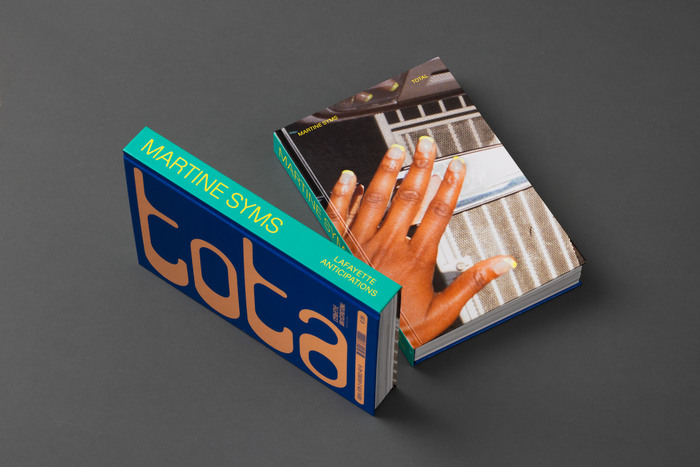
On the occasion of her exhibitionTotalat Lafayette Anticipations, this catalog traces the practice of artistMartine Syms(b.1988). Between intimate references, historical archives, cultural representations of blackness, feminist history, and invocations of spirituality,Totalis a survey of the artist’s creative production and artistic sensivity since her career start in 2002. Text by Guillaume Houzé, Rebecca Lamarche-Vadel, Claudia Rankine, Hannah Black, and Martine Syms. Edited by Antonine Scali Ringwald, and Martine Syms.


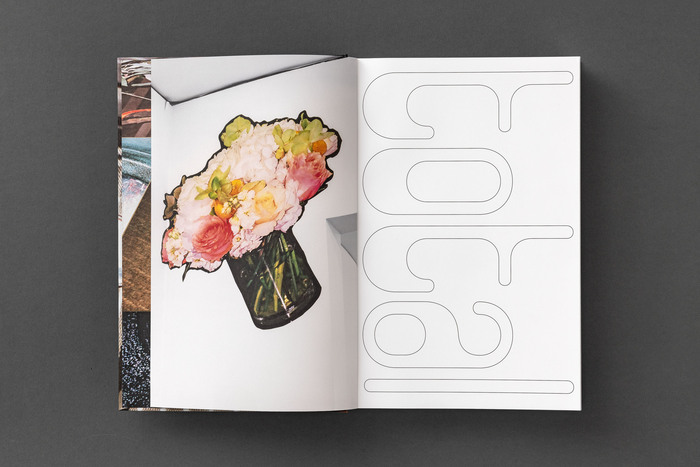
This pairing channels post-digital institutional critique with intimate accessibility. Clippy's deliberately vernacular forms—drawn from early computing's friendly interfaces—create warmth and cultural specificity, while Gerstner-Programm's systematic rationality provides scholarly gravitas. Together they embody the tension between personal narrative and institutional framework that defines contemporary art discourse, particularly around Black feminist practice.
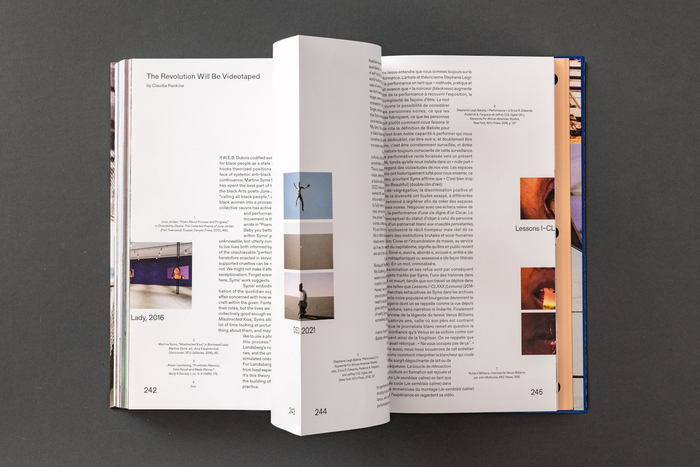
Clippy operates as a dynamic form model with open apertures and playful terminals that reference digital vernacular and accessibility culture—crucial for an artist examining representation and technology. Gerstner-Programm FSL brings rational authority through its vertical stress and controlled proportions, rooted in Swiss systematic design but softened through Forgotten Shapes' contemporary interpretation. This creates a productive tension between the institutional (systematic modernism) and the intimate (digital vernacular), allowing academic rigor without sacrificing cultural specificity or warmth.
This pairing deliberately contrasts different form models—Clippy's dynamic warmth against Gerstner-Programm's rational structure—but maintains coherence through shared contemporary sensibility and medium-contrast approach. Rather than following safe structural harmony, it creates meaning through typographic code-switching: the institutional voice (Gerstner) frames the intimate, culturally-coded voice (Clippy), mirroring how marginalized practices navigate institutional spaces while maintaining their own vernacular integrity.