
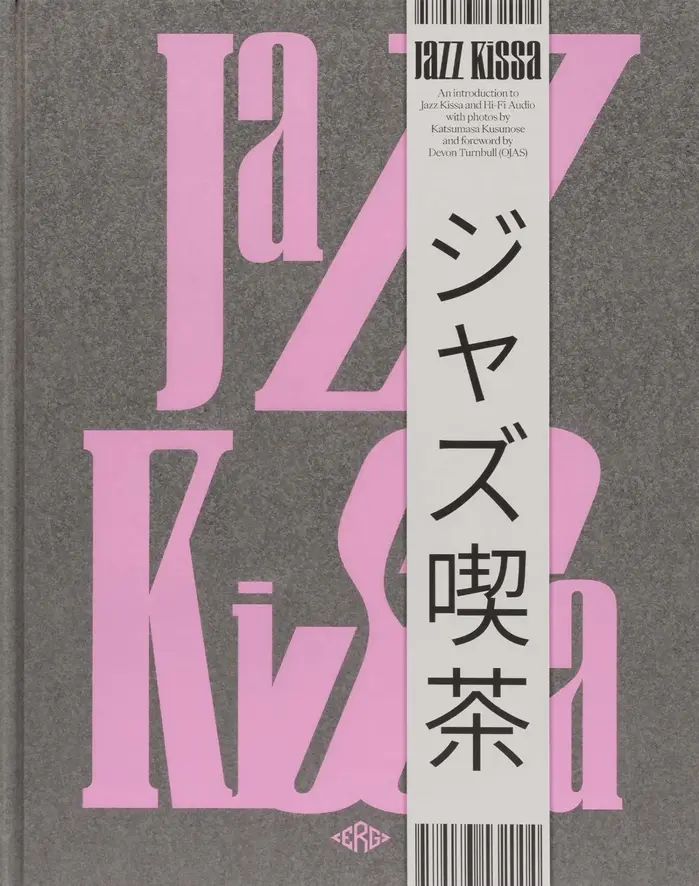
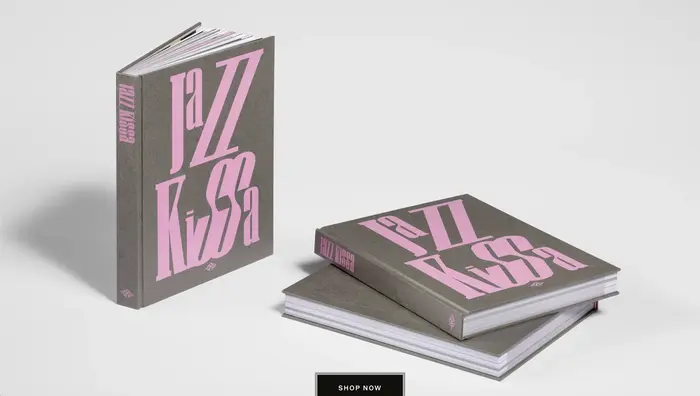
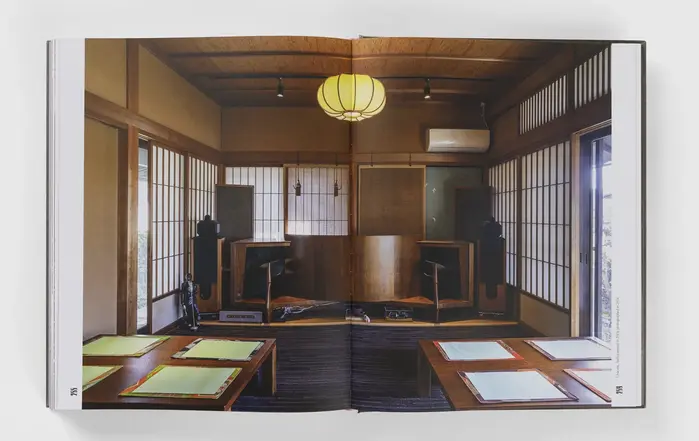
WS Craft’s upright and italic styles are mixed by graphic designerBernardo BergainJazz Kissa, a book about the culture of jazz listening bars in Japan, published by creative agency and publishing houseERG Media: Immerse yourself in the soul of Japanese listening culture withJazz Kissa, an expansive photographic exploration of Japan’s iconic jazz cafés, known asJazz Kissa. The book is the result of over fifteen years of dedicated work by photographer and cultural historian Katsumasa Kusunose, who has meticulously documented these intimate spaces and the people who keep their spirit alive. Printed on specially sourced Japanese paper inspired by the texture of Altec A7 speakers and wrapped in a traditional OBI strip,Jazz Kissais both a cultural document and a beautiful object in its own right. The typefaces used on the obi strip areEikoandSource Han Sansfor the Japanese title, “ジャズ喫茶”.



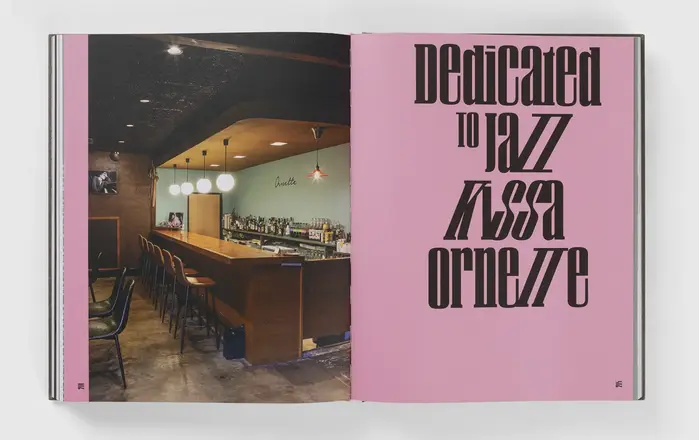
WS Craft's biform letterforms create a deliberately unstable, syncopated rhythm that mirrors jazz's improvisational spirit—the alternating case heights generate visual polyrhythm on the page. Combined with Eiko's refined Japanese forms, this creates a cross-cultural dialogue between Western experimental typography and Eastern typographic precision, embodying the book's exploration of Japanese jazz café culture as both intimate and internationally connected.
WS Craft's unicase/biform construction operates on a dynamic form model with open apertures and varied stroke weights that create textural interest without sacrificing legibility—essential for extended reading in book interiors. The typeface's alternating capital/lowercase forms generate organic rhythm that reflects jazz's temporal flexibility. Eiko and Source Han Sans provide structural counterpoint with their rational, vertical stress Japanese letterforms, creating hierarchy through script differentiation rather than weight variation, appropriate for the bilingual cultural documentation.
This trilingual system works through deliberate structural contrast: WS Craft's dynamic, rhythmic Latin forms against the rational precision of Eiko and Source Han Sans' Japanese characters. Rather than sharing form models for harmony, the pairing creates productive tension between Western experimental typography and Eastern typographic traditions—the varied case heights of WS Craft dialogue with the consistent baseline of the Japanese fonts, embodying the book's theme of cultural exchange in jazz café spaces.