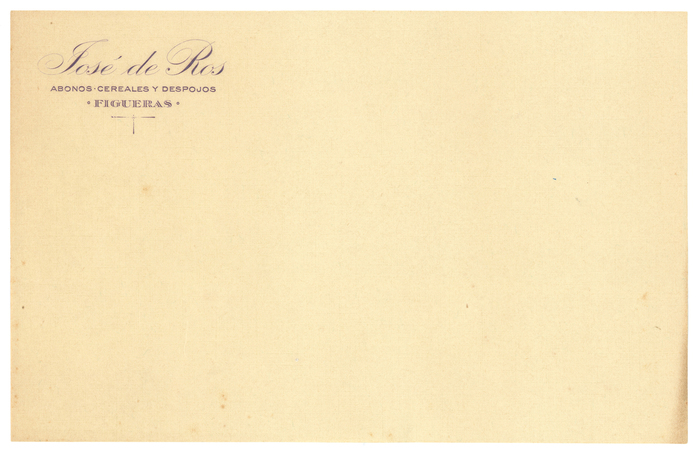

Kleukens-Antiqua follows a rational construction model with vertical stress and moderate aperture closure, placing it firmly in the transitional serif tradition. The face exhibits medium contrast between thick and thin strokes, with a disciplined axis that creates orderly, authoritative rhythm on the page. Its counters maintain reasonable openness while the letterforms show clear calligraphic heritage filtered through systematic construction principles. This typeface represents the German interpretation of transitional serif design, carrying forward the Baskerville-influenced tradition with characteristic Teutonic precision and restraint. The lack of italics severely constrains its typographic utility, limiting hierarchical expression and making it unsuitable for complex editorial work. While the regular weight demonstrates solid craftsmanship in its stroke relationships and proportional harmony, the single-weight limitation relegates it primarily to display and accent roles where its rational authority can shine without requiring typographic flexibility.