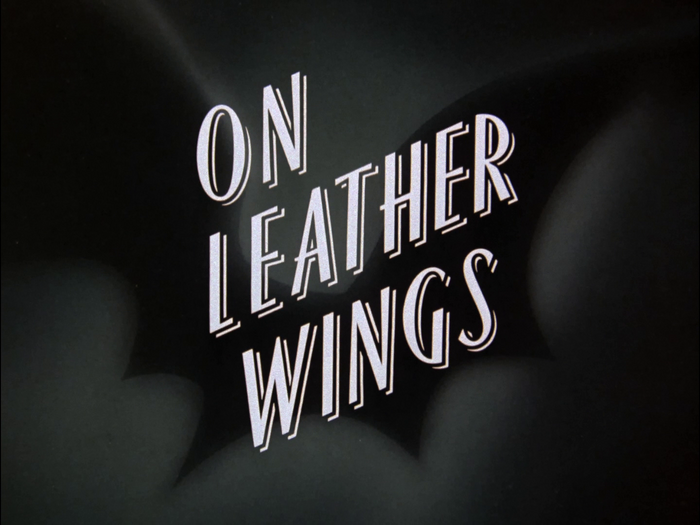

Stencil follows a rational construction model with closed apertures, vertical stress, and mechanically precise letter forms that prioritize functional necessity over calligraphic warmth. The defining characteristic is its systematic interruption of strokes—strategic breaks that serve the stencil's utilitarian purpose while creating a distinctive visual rhythm. These gaps occur at predictable stress points: where curves meet stems, at stroke intersections, and along horizontal elements. The letterforms beneath the stencil logic are fundamentally geometric-rational, with uniform stroke weights and minimal contrast, but the broken strokes eliminate any potential for fine detail work. This is industrial typography at its most literal—designed for spray-painting through templates rather than reading comfort. The face demands large sizes not just for legibility but to make the stencil breaks read as intentional design rather than damaged type, and its militant uniformity makes it excellent for creating typographic authority and utilitarian authenticity in contexts that need to reference industrial, military, or street culture.