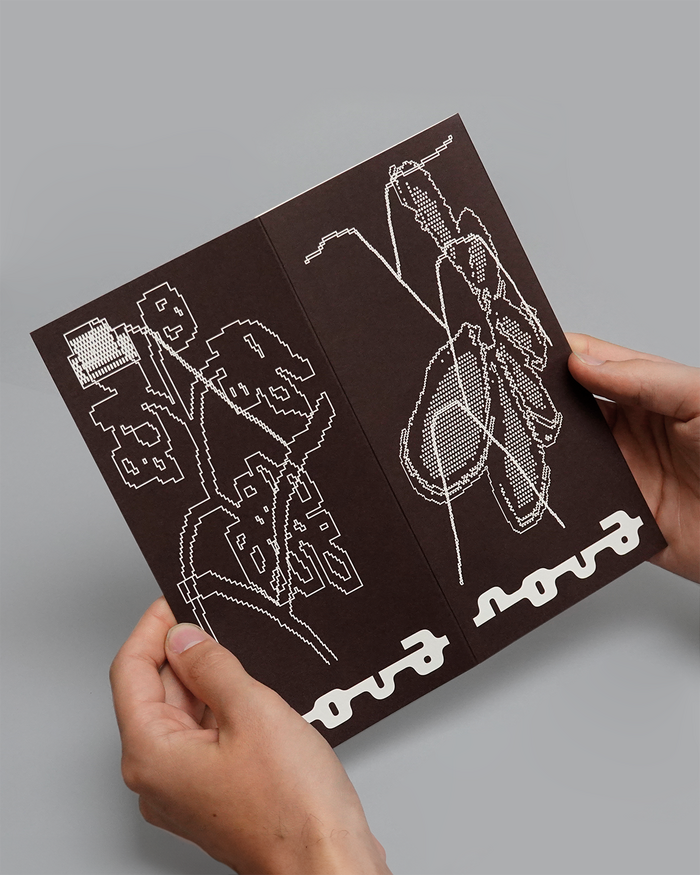

Ursa Mono follows a geometric form model with constructed letterforms that prioritize systematic consistency over calligraphic warmth. Its monospace nature enforces uniform character width, creating the rigid grid structure essential to coding environments while maintaining surprisingly open apertures in letters like 'e', 'a', and 'c' that prevent the tunnel vision common to many programming fonts. The contrast level remains deliberately low to ensure even typographic color across long passages of code, though subtle modulation in stroke weight prevents the mechanical flatness of pure geometric construction. Dinamo has crafted this as part of their contemporary approach to utilitarian typography, departing from the humanist coding font trend (Source Code Pro, Fira Code) in favor of rational precision. In practice, Ursa Mono excels in development environments and technical documentation where character disambiguation and sustained readability matter more than typographic warmth. However, its geometric skeleton and monospace constraints make it unsuitable for traditional body text, where proportional spacing and varied character widths create more natural reading rhythm.