

Bernhard-Antiqua represents Lucian Bernhard's 1912 synthesis of Art Nouveau sensibilities with classical serif construction, built on a dynamic skeleton with diagonal stress and calligraphic underpinnings. The typeface exhibits medium contrast between thick and thin strokes, with distinctive flared terminals that echo brush lettering and deliberately asymmetric counter shapes that break from Renaissance uniformity. Its heritage lies in the German Jugendstil movement, where Bernhard sought to inject personality into text faces through subtle organic irregularities—notice how the 'a' and 'g' counters feel hand-drawn rather than mechanically perfect. The relatively condensed proportions and moderate x-height make it a curious hybrid: more adventurous than traditional book faces like Garamond, yet restrained enough for sustained reading. Bernhard-Antiqua excels in contexts demanding literary warmth with artistic authority—book design, cultural publications, wine labels—but its idiosyncratic details and period flavor can overwhelm contemporary digital interfaces or corporate communications.
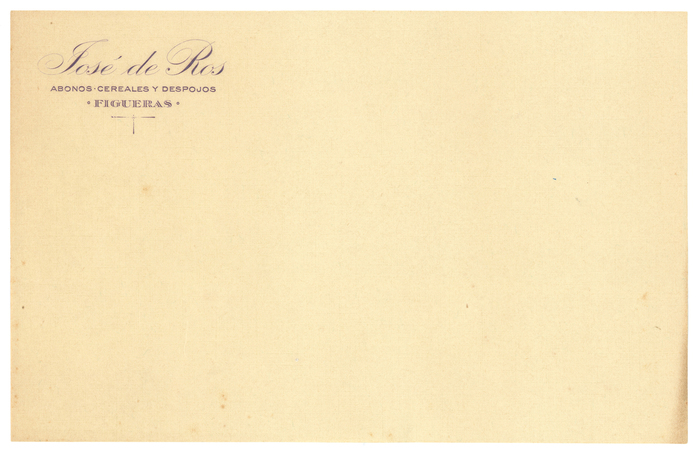
Josep de Ros de Les Olives and the Camponal distillery
This typography system radiates confident industrial eclecticism—the visual language of a prosperous interwar Spanish businessman who understood that different contexts demanded different typographic voices. The mix of Bauer foundry classics (Venus, Bernhard-Antiqua, Kleukens) with Spanish-distributed variants creates a sophisticated pluralism that speaks to both local craft traditions and cosmopolitan European modernization. Rather than systematic brand consistency, this approach embodies the entrepreneurial confidence of someone who could afford the best types available and knew how to deploy them strategically across touchpoints.
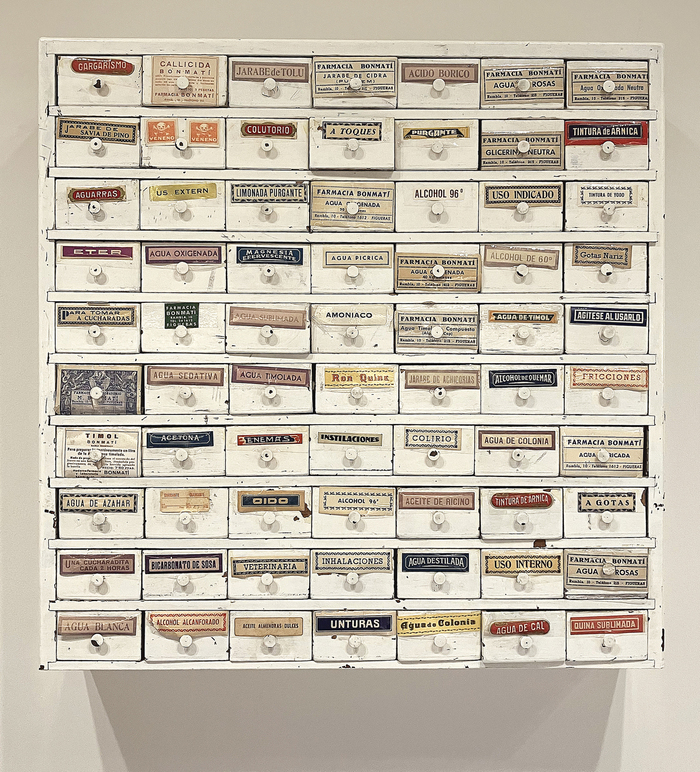
Farmàcia Bonmatí labels
This eclectic pharmaceutical label system embodies the vernacular authority of mid-20th century European pharmacy culture—a typography of trusted precision wrapped in artisanal warmth. The strategic mixing of geometric forms (Futura's constructed circles), rational grotesks (Venus's closed apertures), and dynamic serifs (the flowing stress of Tages-Antiqua) creates a visual language that speaks to both scientific rigor and human care, reflecting the neighborhood pharmacy's dual role as medical authority and community cornerstone.