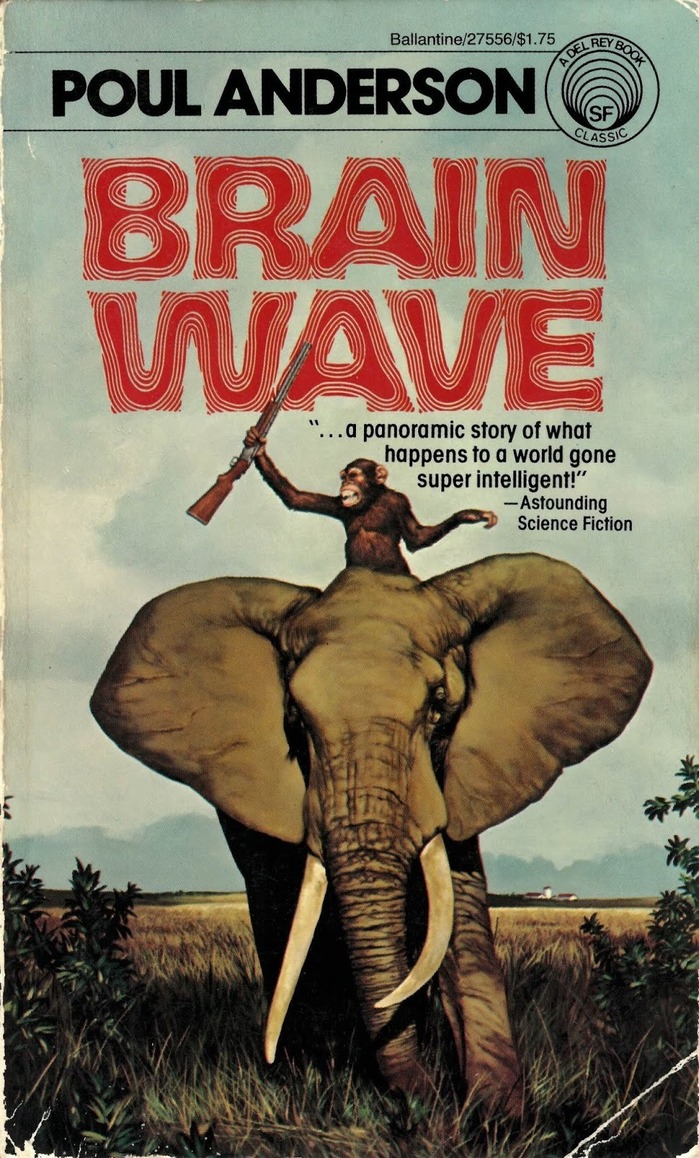

ITC Avant Garde Gothic Condensed inherits the geometric skeleton of Herb Lubalin and Tom Carnase's 1970 original, built on perfect circles and mathematically derived letterforms with uniform stroke weight and no contrast variation. The condensed width compresses these geometric forms into a narrow footprint while maintaining the distinctive large x-height and tight letter spacing that defined the original's magazine identity aesthetic. Key identifying features include the perfectly circular 'O', the single-story 'a' with its geometric bowl, and the distinctive 'g' with its open counter—all compressed laterally but retaining their essential geometric DNA. This face belongs to the American phototype era of display typography, when condensed variants multiplied to serve space-efficient headline needs in magazines and advertising. The condensed proportions amplify its display-only nature: while the geometric construction reads as systematic and modern, the narrow set width and lack of traditional italic creates challenging rhythm for extended reading and limits hierarchical flexibility to weight variations alone.