

unidentified typeface
Without access to the actual letterforms, a comprehensive structural analysis cannot be performed. The typeface remains unidentified with no foundry attribution or visual specimens available for examination. Critical structural DNA markers—including form model (dynamic/rational/geometric), contrast behavior, axis of stress, and terminal treatment—cannot be assessed from metadata alone. Distinguishing characteristics such as aperture openness, x-height proportions, counter shapes, and character set completeness remain unknown. Its typographic heritage and classification lineage cannot be determined without visual inspection of key diagnostic letters like 'a', 'e', 'g', and 'R'. The absence of italic styles suggests either a display-oriented face, an incomplete family, or a utilitarian design that prioritizes economy over typographic sophistication. Without specimen images, practical assessments of optical size suitability, minimum reading sizes, and pairing compatibility cannot be reliably made.
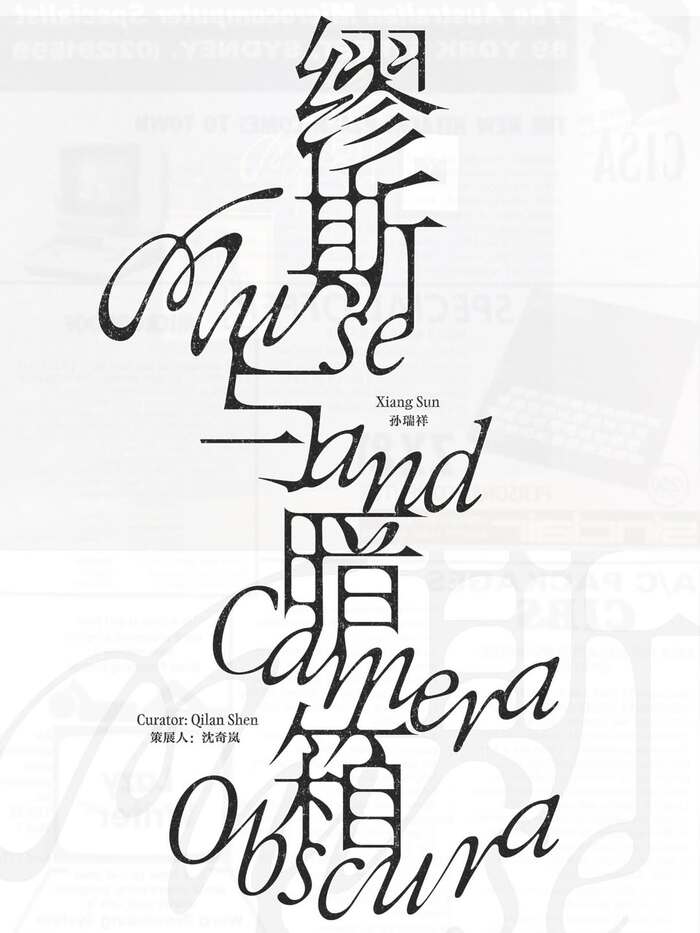
Murse & Camera Obscura
DaVinci's calligraphic heritage creates sophisticated cultural authority while maintaining approachable warmth through its dynamic form model and open apertures. The typeface bridges classical refinement with contemporary sensibility, embodying the kind of intellectual playfulness appropriate for a curated photography exhibition that synthesizes Eastern and Western artistic perspectives.
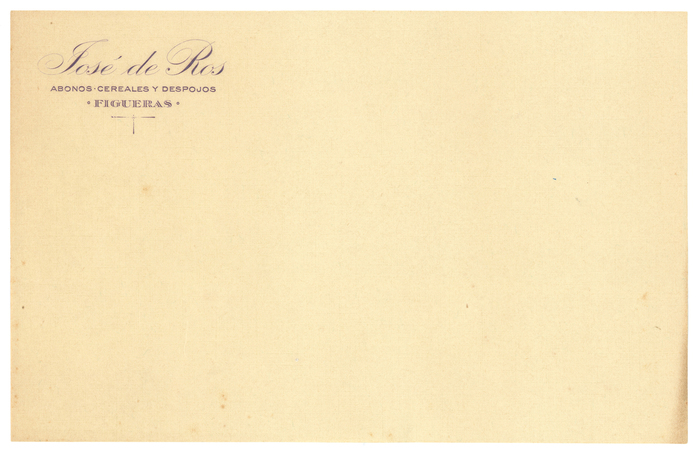
Josep de Ros de Les Olives and the Camponal distillery
This typography system radiates confident industrial eclecticism—the visual language of a prosperous interwar Spanish businessman who understood that different contexts demanded different typographic voices. The mix of Bauer foundry classics (Venus, Bernhard-Antiqua, Kleukens) with Spanish-distributed variants creates a sophisticated pluralism that speaks to both local craft traditions and cosmopolitan European modernization. Rather than systematic brand consistency, this approach embodies the entrepreneurial confidence of someone who could afford the best types available and knew how to deploy them strategically across touchpoints.
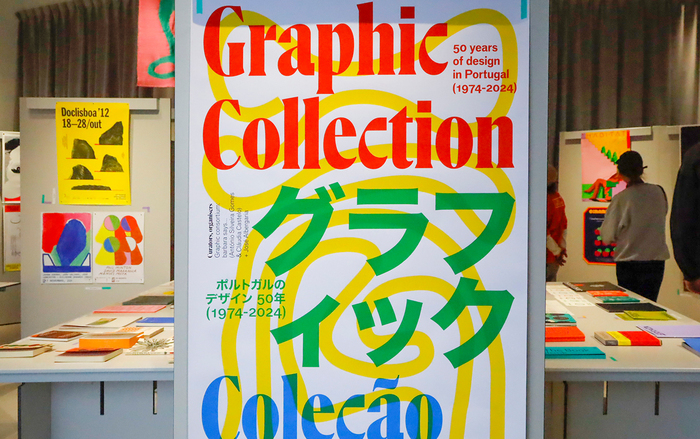
Graphic collection. 50 years of design in Portugal (1974–2024)exhibition, Expo 2025 Osaka
This typography system channels a distinctly Portuguese modernist sensibility—sophisticated yet approachable, rooted in geometric construction but warmed by subtle humanist inflections. Flecha Brônzea's high-contrast display forms create authoritative editorial presence while maintaining the playful edge characteristic of Portuguese graphic design's post-revolution creative explosion. The pairing suggests institutional gravitas tempered by cultural accessibility, perfect for presenting 50 years of design heritage to an international audience.
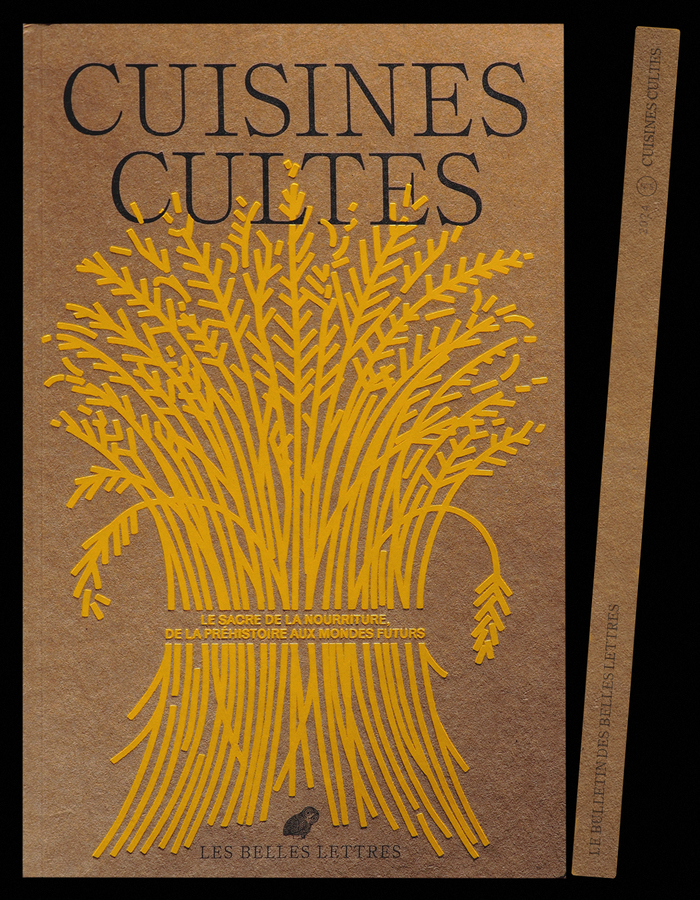
Le Bulletin des Belles Lettresn°5, “Cuisines Cultes”
This typography system channels intellectual curiosity through deliberate eclecticism, creating a scholarly-bohemian energy that feels both erudite and approachable. The Self Modern's rational proportions and controlled contrast establish editorial gravitas, while Almanach's dynamic warmth in captions softens the academic tone. This creates a brand personality that's intellectually rigorous yet culturally adventurous—perfect for a publication that treats food as anthropological subject matter rather than lifestyle content.